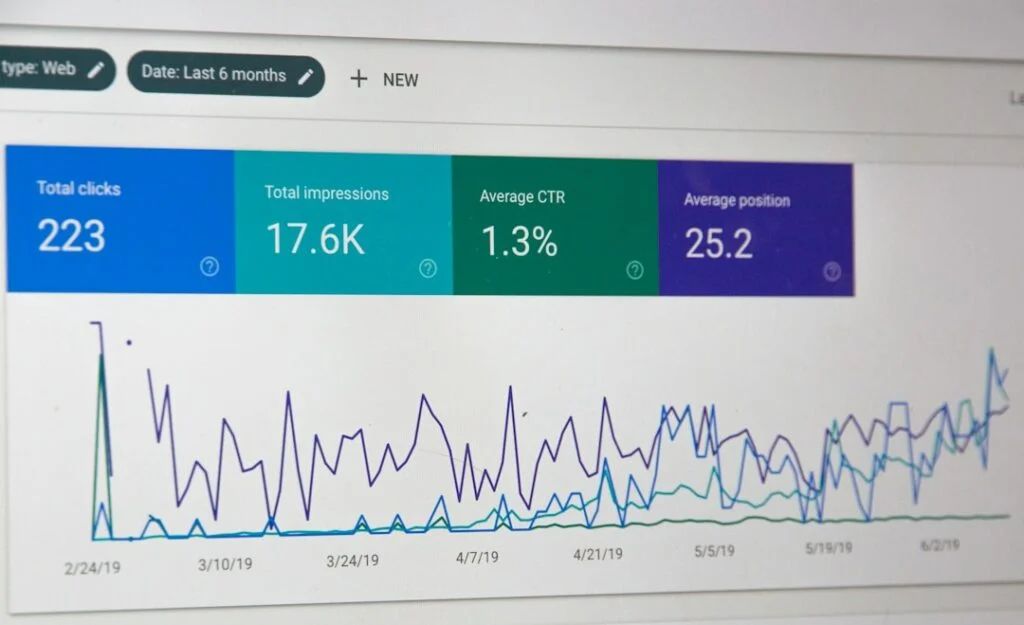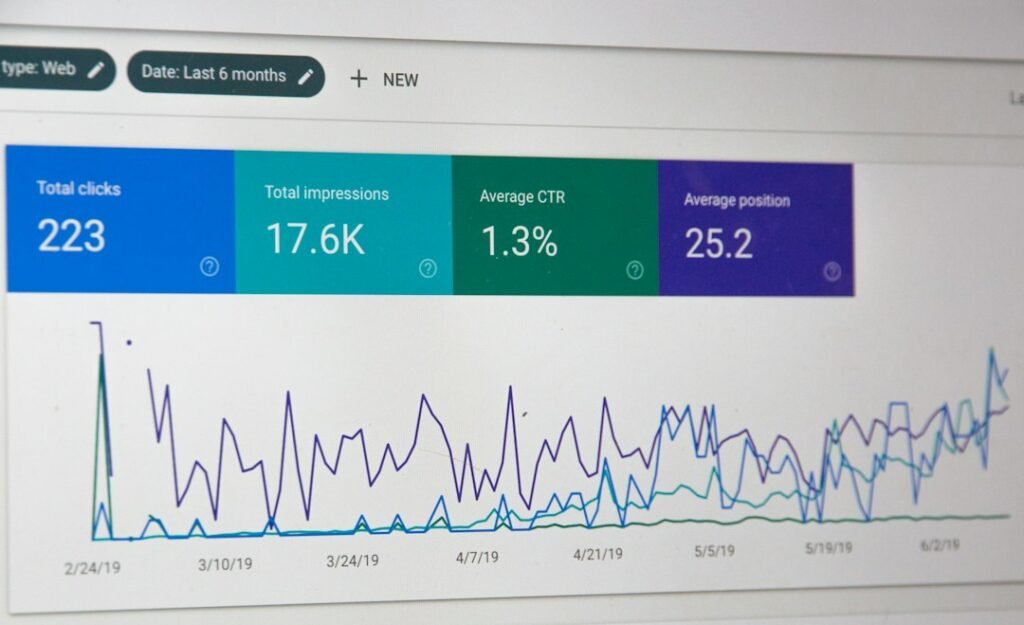
AI Search Optimization is becoming an important part of modern content strategy. Search experiences increasingly combine traditional results with AI-generated summaries, direct answers, recommendations, and conversational discovery.
That does not mean traditional SEO is dead. It means websites need clearer information architecture, useful content, trustworthy sources, and strong technical foundations so search systems can understand and reference their information.
What Is AI Search Optimization?
AI Search Optimization means creating and structuring website content so modern search systems can accurately understand the topic, entities, relationships, evidence, and user intent behind a page.
The goal is not to manipulate an AI system. The goal is to make genuinely useful information easier to discover, interpret, verify, and cite.
9 Ways to Improve AI Search Visibility
1. Answer the main question early
Start with a direct explanation before adding background. This helps both readers and automated systems understand the page’s purpose quickly.
2. Use descriptive headings
Clear H2 and H3 headings create a logical structure. Avoid vague headings that provide little information about the section.
3. Build topic depth
Cover the important subtopics a reader actually needs. Strong topical coverage is more useful than repeating the same keyword.
4. Add original value
Include examples, comparisons, practical steps, observations, or data that make your article more useful than a generic summary.
5. Strengthen internal links
Connect related articles using descriptive anchor text. Internal linking helps readers discover more information and helps search systems understand relationships between pages.
6. Cite trustworthy sources
When making important factual claims, link to authoritative sources. Evidence can improve trust and gives readers a way to verify information.
7. Improve author and site trust
Clear authorship, contact information, consistent branding, and transparent editorial practices can help establish credibility.
8. Keep technical SEO clean
Make sure pages are crawlable, mobile-friendly, fast enough, indexable, and free from unnecessary technical barriers.
9. Update content when facts change
Outdated information can reduce usefulness. Review important articles and update them when technologies, products, policies, or best practices change.
What AI Search Does Not Mean
AI Search Optimization is not a license to stuff keywords, generate thousands of low-value pages, or write content only for machines. Those approaches can create poor user experiences and weaken a site’s overall quality.
AI Search Optimization Checklist
- Does the page answer one clear search intent?
- Is the main answer easy to find?
- Are headings descriptive?
- Are claims supported when necessary?
- Are internal links relevant?
- Is the page mobile-friendly?
- Does the article provide original practical value?
- Are title, description, URL, and image ALT text optimized?
For more technical SEO work, explore our Digital Provenance guide and our latest AI articles.
Frequently Asked Questions
Is AI Search Optimization different from SEO?
It overlaps heavily with SEO, but it places additional emphasis on clarity, structured information, direct answers, context, and machine-readable relationships.
Can AI search replace Google rankings?
AI search and traditional search can coexist. Websites still benefit from strong technical SEO, useful content, and discoverability.
Should I write content specifically for AI?
Write primarily for people. Clear, accurate, well-structured content is also easier for automated systems to interpret.
Conclusion
AI Search Optimization is best understood as an evolution of good publishing: answer questions clearly, build useful topic coverage, support claims, connect related pages, and maintain a technically healthy website.
AI Search Optimization: Trusted SEO Resources
For technical search guidance, consult Google Search guidance on helpful content. People-first information remains the foundation of sustainable search visibility.